Niacinamide Serum Benefits: The Complete Guide for Pakistani Skin (2026)
By AU Body Care Skincare Team | Reviewed for Pakistani Skin Conditions
Last Updated: June 2025 | 12-Minute Read
Quick Summary: Niacinamide (Vitamin B3) is one of the most clinically proven, skin-friendly ingredients in modern skincare. For those living in Pakistan — where heat, humidity, dust, and UV exposure are daily realities — a niacinamide serum can visibly reduce pores, fade dark spots, control oil, and strengthen the skin barrier in as little as 4 weeks. This guide covers every benefit, how to use it correctly, what to combine it with, and who it’s for.
Table of Contents
- What Is Niacinamide?
- Why Niacinamide Matters for Pakistani Skin
- The 8 Proven Benefits of Niacinamide Serum
- How Niacinamide Works at the Cellular Level
- How to Use Niacinamide Serum Correctly
- Best Ingredient Combinations with Niacinamide
- Niacinamide for Different Skin Types
- When Will You See Results?
- Common Myths About Niacinamide — Debunked
- Choosing the Right Niacinamide Serum in Pakistan
- AU Body Care Niacinamide Serum: What Makes It Different
- Frequently Asked Questions
1. What Is Niacinamide? {#what-is-niacinamide}
Niacinamide — also known as nicotinamide or Vitamin B3 — is a water-soluble essential nutrient that the human body cannot produce on its own. In skincare, it functions as a multitasking active ingredient with decades of peer-reviewed clinical research confirming its safety and efficacy across all skin types.
Unlike many trendy skincare actives that cycle in and out of popularity, niacinamide has consistently appeared in dermatology journals, clinical trials, and cosmetic formulations for over 30 years. It is currently one of the most widely studied topical skincare ingredients in the world.
Chemically, niacinamide is part of the B-vitamin family and is structurally distinct from niacin (nicotinic acid) — meaning it does not cause the flushing, redness, or itching that niacin can cause when taken orally or applied topically. This makes it exceptionally well-tolerated even for sensitive skin types.
At the cellular level, niacinamide works by:
- Participating in key metabolic pathways (NAD+ and NADP+ synthesis) that regulate energy production in skin cells
- Inhibiting the transfer of melanosomes (pigment packets) from melanocytes to keratinocytes, which directly reduces hyperpigmentation
- Stimulating ceramide biosynthesis to reinforce the epidermal barrier
- Modulating sebaceous gland activity to reduce excess oil production
- Exerting anti-inflammatory effects that calm reactive, irritated skin
This multi-mechanism action is precisely why niacinamide can address so many skin concerns simultaneously — it’s not a single-target ingredient; it works at multiple points in the skin’s physiology.
2. Why Niacinamide Is Especially Important for Pakistani Skin {#why-pakistan}
Pakistan’s climate and environmental conditions create a unique set of skin challenges that most Western skincare guides don’t account for. A niacinamide serum isn’t just a luxury here — for many Pakistani skin types, it’s a functional necessity.
The Pakistani Skin Environment
Heat and Humidity (Lahore, Karachi, Multan, Peshawar) Cities like Lahore and Karachi regularly experience temperatures above 40°C in summer. This heat triggers overactive sebaceous glands, leading to excess oil production, clogged pores, and an increased risk of heat-related breakouts. Niacinamide’s sebum-regulating properties directly address this concern.
UV Exposure and Hyperpigmentation Pakistan receives some of the highest UV radiation in South Asia, particularly between March and October. Prolonged sun exposure is the primary trigger for melasma, uneven skin tone, dark spots, and post-inflammatory hyperpigmentation (PIH) — all of which niacinamide targets by inhibiting melanin transfer. This makes it one of the most relevant brightening ingredients for South Asian skin tones.
Air Pollution (Lahore, Karachi) Lahore has consistently ranked among the most polluted cities in the world in recent years. Air pollutants including PM2.5 particles, nitrogen dioxide, and ozone generate free radical damage that degrades the skin barrier, accelerates aging, and worsens inflammatory skin conditions. Niacinamide, particularly when paired with antioxidants like green tea extract, helps fortify the barrier against this environmental assault.
Hard Water Most Pakistani households use hard water for washing. Hard water disrupts the skin’s natural pH and weakens the acid mantle — the protective layer that keeps moisture in and pathogens out. Niacinamide’s ceramide-stimulating properties help rebuild this compromised barrier over time.
South Asian Skin Tone Considerations Medium-to-deep skin tones (Fitzpatrick types IV–VI, which predominate in Pakistan) are significantly more prone to post-inflammatory hyperpigmentation — dark marks left behind after acne, mosquito bites, or any skin trauma. Niacinamide is one of the few ingredients with robust clinical evidence for brightening darker skin tones without the irritation risk of harsher agents like hydroquinone.
3. The 8 Proven Benefits of Niacinamide Serum {#8-benefits}
Benefit 1: Minimizes the Appearance of Enlarged Pores
Enlarged pores are one of the most common skin concerns in Pakistan, driven by heat, excess sebum, and sun damage that degrades collagen in the pore walls. Niacinamide reduces the appearance of pores through two mechanisms: by regulating sebum production (so pores don’t stretch with oil accumulation) and by improving skin elasticity around the pore lining.
A 2016 clinical study published in the International Journal of Cosmetic Science found that participants using a niacinamide formulation showed measurable reduction in pore visibility after eight weeks of consistent use. Results are gradual — typically noticeable at 4–6 weeks — and cumulative with continued use.
Who benefits most: Oily skin types, those living in hot climates, and anyone bothered by visible pores on the nose, cheeks, or forehead.
Benefit 2: Fades Hyperpigmentation and Dark Spots
This is arguably niacinamide’s most celebrated and well-documented benefit. It works by interrupting the transfer of melanin-containing melanosomes from melanocyte cells to surrounding skin cells (keratinocytes). Less melanin transfer means a more even skin tone over time.
Clinical evidence: A landmark study in the British Journal of Dermatology (2002) compared niacinamide to 4% hydroquinone (the gold-standard depigmenting agent) and found niacinamide produced equivalent brightening results with a significantly lower side effect profile. Subsequent research has confirmed its efficacy for post-acne marks, sun spots, melasma, and uneven tone caused by hormonal changes.
For Pakistani skin, which is prone to PIH following any inflammatory trigger (acne, eczema, allergic reactions, insect bites), this benefit is particularly valuable.
Realistic timeline: Visible improvement in dark spots typically occurs at 8–12 weeks of twice-daily use.
Benefit 3: Strengthens the Skin Barrier
The skin barrier — technically the stratum corneum — is the outermost layer of skin that acts as the body’s primary defence against environmental damage, water loss, and pathogen entry. When this barrier is compromised (by over-exfoliation, harsh cleansers, pollution, or stress), skin becomes reactive, dry, red, and sensitive.
Niacinamide stimulates the production of ceramides, fatty acids, and cholesterol — the three key lipids that form the “mortar” between skin cells. By restoring these lipids, niacinamide actively repairs a damaged barrier and maintains a healthy one.
For Pakistani consumers who frequently use harsh skin-lightening products, strong cleansers, or DIY treatments, barrier repair is a critical function. A strong barrier also means your other skincare products penetrate and perform better.
Benefit 4: Controls Excess Oil and Sebum
Sebum (natural skin oil) is essential for healthy skin — but in excess, it leads to clogged pores, blackheads, and acne. In Pakistan’s heat, even normal skin types can experience increased sebum production during summer months.
Niacinamide regulates sebum production by modulating the activity of sebaceous glands at a cellular level — not by stripping the skin dry (like alcohol-based toners do), but by normalizing output at the source. When combined with Zinc PCA (as in AU Body Care’s formula), this effect is significantly amplified, as zinc is one of the most clinically validated sebum-regulating compounds in cosmetic dermatology.
Result: A noticeably matte, balanced finish throughout the day, without the rebound oiliness that harsh drying agents trigger.
Benefit 5: Reduces Redness and Soothes Inflammation
Niacinamide is an anti-inflammatory agent. It inhibits pro-inflammatory cytokines, calms mast cell activity, and reduces the vascular response that causes redness and blotchiness. This makes it effective for:
- Acne-associated redness — calms the angry redness around active breakouts
- Rosacea — clinical studies show measurable reduction in redness and flushing
- Sensitive, reactive skin — reduces the general redness seen in easily-triggered skin types
- Post-procedure skin — often used to calm skin after chemical peels or laser treatments
For Pakistani consumers who frequently deal with heat rash, sun-induced redness, or skin irritated by pollution, this soothing effect provides noticeable daily relief.
Benefit 6: Smooths Skin Texture and Refines Fine Lines
Niacinamide improves skin texture through multiple pathways: it accelerates keratinocyte turnover (removing dead, dull surface cells), stimulates collagen synthesis in the dermis, and improves skin elasticity. The combined effect over time is visibly smoother, firmer-feeling skin with reduced visibility of fine lines.
It’s important to be realistic here — niacinamide is not a replacement for dedicated anti-aging ingredients like retinol or peptides for significant wrinkle reduction. However, it produces measurable textural improvements and is a complementary ingredient in any anti-aging routine.
Benefit 7: Protects Against Environmental and Oxidative Damage
Niacinamide boosts the skin’s natural defence against oxidative stress by increasing NAD+ levels in skin cells — a coenzyme critical for DNA repair and cellular energy. This effectively helps skin cells recover from and resist damage caused by UV radiation, pollution, and blue light exposure.
It also reduces the degradation of proteins like collagen and elastin that are caused by reactive oxygen species (free radicals). While it isn’t a sunscreen and should never replace SPF, it serves as a meaningful second layer of protection in high-UV environments like Pakistan’s summer months.
Benefit 8: Improves Hydration and Prevents Water Loss
Niacinamide reduces transepidermal water loss (TEWL) — the passive evaporation of water through the skin — by reinforcing the barrier lipids described in Benefit 3. In Pakistan’s dry seasons (October–March) and in air-conditioned indoor environments, skin loses moisture rapidly. Niacinamide helps the skin retain hydration more effectively, keeping it plump, supple, and less prone to flakiness.
This benefit works synergistically with hyaluronic acid (also present in AU Body Care’s formula), which actively draws water into the skin from the environment and deeper skin layers.
4. How Niacinamide Works at the Cellular Level {#how-it-works}
For those who want to understand the science:
Niacinamide is a precursor to two critical coenzymes: NAD⁺ (nicotinamide adenine dinucleotide) and NADP⁺, both of which are essential for hundreds of enzymatic reactions in the body, including those governing DNA repair, energy metabolism, and antioxidant defence in skin cells.
Topically applied niacinamide is absorbed through the epidermis and converted into NAD⁺ within keratinocytes. This increased NAD⁺ availability:
- Fuels cellular repair mechanisms, particularly in UV-damaged cells
- Supports the activity of sirtuins — proteins linked to cellular longevity and stress resistance
- Enhances the activity of PARP enzymes that repair DNA strand breaks
At the pigmentation level, niacinamide works downstream of melanin synthesis — it doesn’t stop melanin from being produced, but prevents it from being transferred into the surrounding skin cells. This is why it brightens skin tone without the risk of depigmenting patches or rebound hyperpigmentation associated with hydroquinone.
At the barrier level, niacinamide upregulates the expression of key barrier proteins including involucrin, filaggrin, and loricrin, while simultaneously stimulating ceramide synthesis — the lipid that seals moisture within the skin.
5. How to Use Niacinamide Serum Correctly {#how-to-use}
Step-by-Step Morning Routine
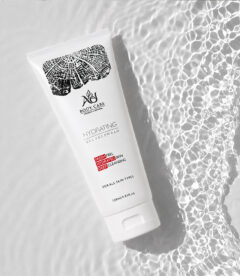
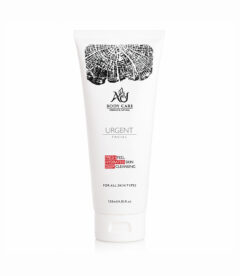
- Cleanse — Use a gentle, pH-balanced cleanser (like AU Body Care’s Hydrating Gel Facewash). Avoid harsh foaming cleansers that strip the skin.
- Tone (optional) — If you use a hydrating toner or essence, apply it at this stage.
- Apply Niacinamide Serum — Dispense 3–4 drops of AU Body Care Niacinamide Serum onto fingertips and gently press into the face, neck, and décolletage. Do not rub aggressively.
- Moisturise — Follow with a lightweight moisturiser to seal in the serum.
- SPF — Finish with broad-spectrum SPF 30 or higher. This step is non-negotiable in Pakistan’s UV environment. Niacinamide helps fade existing dark spots — but without SPF, UV exposure will generate new ones daily.
Step-by-Step Evening Routine
- Double Cleanse — Remove sunscreen and pollution with an oil-based cleanser first, followed by a water-based cleanser.
- Tone (optional)
- Apply Niacinamide Serum — Same as morning application.
- Targeted Treatments — If using retinol, apply it after niacinamide. Niacinamide can actually reduce retinol-induced irritation, making this combination ideal.
- Moisturise — Use a richer night cream if desired.
Application Tips
- Amount: 3–4 drops per application is sufficient for the full face.
- Frequency: Twice daily (morning and evening) is optimal for maximum benefit.
- Layering order: Serums go before moisturisers and after cleansing. Apply from thinnest to thickest consistency.
- Patch test: If your skin is new to actives, apply a small amount to the inner forearm for 24 hours before full-face use. Niacinamide is very well-tolerated, but individual sensitivities vary.
- Storage: Keep away from direct sunlight. Store below 25°C for best stability.
6. Ingredient Combinations: What Works With Niacinamide {#combinations}
One of niacinamide’s biggest advantages is its compatibility with nearly every other skincare active. Unlike vitamin C or retinol, which can cause irritation or sensitivity when combined incorrectly, niacinamide plays well with almost everything.
Niacinamide + Vitamin C ✅
The old myth: An outdated claim suggested niacinamide and vitamin C react to form niacin, causing flushing. Modern dermatological research has definitively debunked this. The reaction requires temperatures far above those achieved in topical formulations or on skin.
The reality: These two ingredients are not only compatible but complementary. Vitamin C brightens via antioxidant-mediated inhibition of melanin synthesis; niacinamide brightens by blocking melanin transfer. Together, they target hyperpigmentation through two different pathways — making them a powerful brightening duo.
How to layer: Apply vitamin C first (it is more pH-sensitive and should be applied to freshly cleansed skin), allow 30 seconds to absorb, then follow with niacinamide. Alternatively, use vitamin C in the morning and niacinamide morning and evening.
Niacinamide + Retinol ✅
This is one of the most powerful anti-aging combinations in skincare. Retinol accelerates cell turnover and stimulates collagen, but can cause dryness, peeling, and redness — particularly during the adjustment period. Niacinamide’s barrier-strengthening and anti-inflammatory properties directly counteract these side effects.
How to layer: Apply niacinamide first, allow it to absorb, then apply retinol. Alternatively, use retinol on alternating evenings and niacinamide every night.
Niacinamide + Hyaluronic Acid ✅
A naturally hydrating duo. Hyaluronic acid draws water into the skin; niacinamide reinforces the barrier to lock it in. Both are gentle, non-irritating, and suitable for all skin types — making this combination ideal for beginners or sensitive skin users. AU Body Care’s Niacinamide Serum already includes hyaluronic acid in its formula, delivering both benefits in a single product.
Niacinamide + AHA/BHA Acids ✅ (with care)
Glycolic acid (AHA) and salicylic acid (BHA) exfoliate the skin surface and clear pores — but can sensitise skin, particularly with frequent use. Niacinamide’s soothing and barrier-repairing properties make it an excellent companion to exfoliating acids.
How to layer: For those new to acids, use them at night (2–3x per week) and niacinamide every morning. More experienced users can use niacinamide immediately after acid application to buffer any irritation.
Niacinamide + Zinc PCA ✅
This is the combination used in AU Body Care’s formula. Zinc PCA is one of the most effective sebum-regulating ingredients in cosmetic chemistry, with clinical evidence supporting its ability to reduce excess oil and address acne. Combined with niacinamide, it provides a powerful dual-action oil control and anti-inflammatory effect — ideal for Pakistan’s hot, humid conditions.
7. Niacinamide for Different Skin Types {#skin-types}
Oily Skin
Niacinamide is one of the most beneficial ingredients for oily skin. Its sebum-regulating action reduces excess shine and oil production without drying the skin, making it suitable for year-round use including Pakistan’s humid summers. Use it twice daily for best results. The combination with Zinc PCA in AU Body Care’s formula provides enhanced oil control.
Acne-Prone Skin
Multiple benefits apply simultaneously: oil control reduces the sebum that feeds acne bacteria; anti-inflammatory properties calm existing breakouts; barrier-strengthening prevents the skin damage that triggers further breakouts; and melanin-blocking fades the dark marks that acne leaves behind. Niacinamide is not an acne treatment per se — it doesn’t kill bacteria like benzoyl peroxide — but it addresses nearly every contributing factor.
Dry Skin
By stimulating ceramide production and reducing transepidermal water loss, niacinamide improves moisture retention in dry skin. Pair it with a richer moisturiser and the benefits are amplified. Note: for very dry skin, apply niacinamide to slightly damp skin to boost absorption.
Combination Skin
Niacinamide excels for combination skin because it normalises sebum production rather than applying a blanket drying or hydrating effect. It oils up dry areas less and dries out oily areas more — a functional, intelligent ingredient for complex skin behaviour.
Sensitive Skin
Niacinamide is fragrance-free, non-irritating, and anti-inflammatory — making it one of the safest actives for sensitive or reactive skin. It actually reduces sensitivity over time by strengthening the barrier. AU Body Care’s formula includes Panthenol (Vitamin B5), which further soothes and calms reactive skin.
Mature Skin
Niacinamide improves skin elasticity through collagen-stimulating effects, reduces fine lines, and brightens age spots. While retinol remains the gold standard for anti-aging, niacinamide is an ideal companion ingredient or a gentler alternative for those whose skin doesn’t tolerate retinoids.
8. When Will You See Results? {#results-timeline}
Consistency is everything with niacinamide. Unlike some active ingredients that produce dramatic initial effects (like AHAs or retinol), niacinamide works gradually and cumulatively — meaning results improve the longer you use it.
| Timeframe | Expected Changes |
|---|---|
| Week 1–2 | Reduced shininess and improved skin texture. Skin may feel noticeably smoother and less oily within the first 1–2 weeks. |
| Week 3–4 | Visible reduction in pore appearance. Skin tone begins to look more even. Some improvement in redness for sensitive/acne-prone skin. |
| Week 6–8 | Measurable fading of recent dark spots and post-acne marks. Skin barrier visibly strengthened — less tightness, fewer rough patches. |
| Week 10–12 | Significant brightening of established hyperpigmentation. Older dark spots, sun damage, and melasma show visible improvement. |
| Week 12+ | Continued, cumulative improvements in all metrics. Most users report their best results at the 3–6 month mark. |
Important: Sun protection is essential to protect the results. If you use niacinamide consistently but go without SPF, UV exposure will generate new dark spots as fast as niacinamide fades existing ones.
9. Common Myths About Niacinamide — Debunked {#myths}
Myth 1: “Niacinamide causes flushing and redness.” This is a persistent confusion between niacinamide and niacin (nicotinic acid). They are related but structurally different compounds. Niacinamide does not cause the vasodilation-induced flushing that niacin does. In fact, niacinamide reduces redness.
Myth 2: “Niacinamide and Vitamin C cancel each other out.” Debunked by modern dermatology. They can be safely combined and produce complementary brightening effects (see Section 6).
Myth 3: “Higher concentration is always better.” Research shows that concentrations above 5% produce meaningful benefits, with 10% being the clinically validated sweet spot for maximum efficacy without irritation. Concentrations above 20% can paradoxically cause irritation in some skin types. AU Body Care’s 10% concentration reflects the evidence-based optimum.
Myth 4: “Niacinamide is only for oily skin.” Niacinamide benefits all six Fitzpatrick skin types and all skin conditions. Its barrier-repairing, anti-inflammatory, and brightening benefits are as relevant for dry and sensitive skin as for oily skin.
Myth 5: “You need to take a break from niacinamide.” Unlike retinol (which requires careful introduction and skin acclimatisation) or AHA acids (which can sensitise skin with overuse), niacinamide can be used indefinitely at twice-daily frequency without the need for cycling or breaks.
Myth 6: “Skin will become dependent on niacinamide.” Topical skincare doesn’t create dependency. Niacinamide works by supporting your skin’s own natural functions — when you stop using it, those functions don’t deteriorate below baseline; your skin simply returns to its pre-niacinamide state over time.
10. How to Choose the Right Niacinamide Serum in Pakistan {#choosing}
With dozens of niacinamide serums now available in Pakistan — from global brands to local formulations — here is what to look for:
Concentration: 5–10% Below 5% niacinamide may produce limited visible results. 10% is the clinical standard and the concentration used in AU Body Care’s formula. Above 20% can cause irritation without added benefit.
Zinc PCA as a complementary ingredient For oily and acne-prone skin types (which describes many Pakistani skin types in summer), a niacinamide serum paired with Zinc PCA provides significantly enhanced oil control and anti-acne benefits.
Fragrance-free formulation Synthetic fragrance is the most common cause of contact dermatitis and skin sensitisation. For an active-ingredient serum that will be used twice daily, fragrance-free formulations are strongly preferred by dermatologists.
Hydrating supporting ingredients A good niacinamide serum should also include humectants (hyaluronic acid) and soothing agents (panthenol/B5) to ensure the formula is hydrating rather than stripping.
Clean formulation Look for formulas free from parabens, sulfates, mineral oil, and alcohol. These are not just marketing buzzwords — they genuinely reduce the risk of irritation and comedogenicity (pore-clogging).
Local vs. imported Imported niacinamide serums (The Ordinary, La Roche-Posay, etc.) are often effective but significantly more expensive in Pakistan when factoring in import taxes and shipping markups. Locally-formulated serums from reputable Pakistani skincare brands can offer comparable or superior results at a fraction of the cost — particularly when the formula is optimised for South Asian skin and Pakistan’s specific climate conditions.
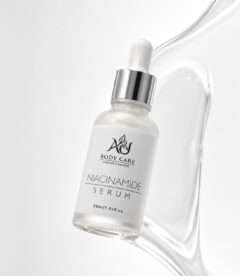
11. AU Body Care Niacinamide Serum: Formulated for Pakistani Skin {#au-bodycare}
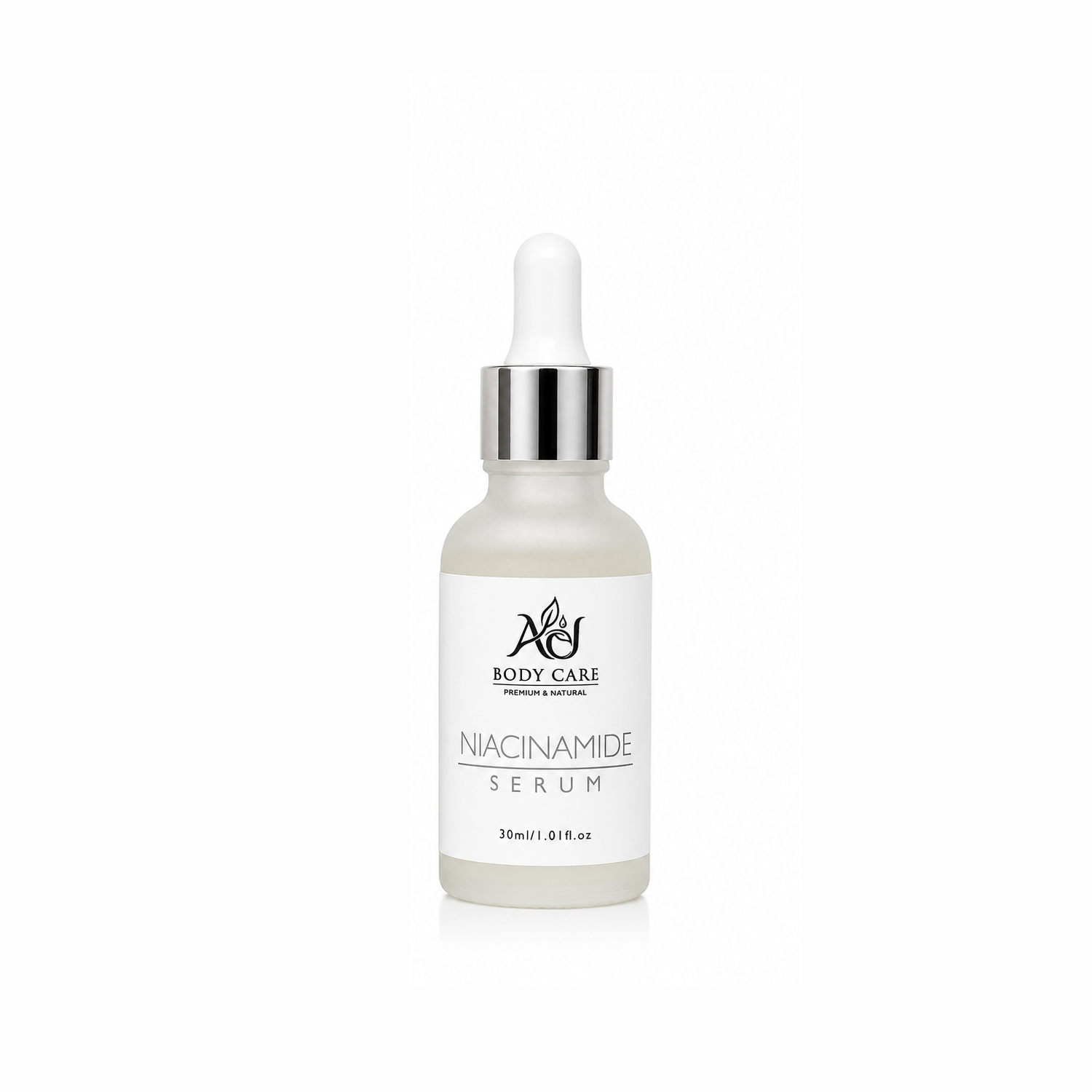
AU Body Care’s Niacinamide Serum was formulated with Pakistan’s skin environment in mind — not a generic Western skincare formula adapted for the subcontinent, but a product designed from the ground up for South Asian skin tones, Pakistan’s climate extremes, and local skin concerns.
What’s in the Formula
Niacinamide 10% — The clinically validated concentration for full-spectrum benefits: pore minimising, brightening, oil control, barrier repair, and mild anti-aging.
Zinc PCA 1% — Pairs with niacinamide to provide enhanced sebum regulation, anti-bacterial support, and oil balance. Particularly beneficial for Pakistan’s hot, humid summers.
Hyaluronic Acid — Ensures the formula hydrates as it works, keeping skin plump and balanced throughout the day.
Panthenol (Vitamin B5) — Soothes, calms, and accelerates barrier repair. Makes the formula gentle enough for daily use even on sensitive or reactive skin.
Green Tea Extract — A potent antioxidant that neutralises free radical damage from Lahore’s pollution and Pakistan’s intense UV environment.
What It Does Not Contain
Parabens · Sulfates · Artificial Fragrance · Alcohol · Mineral Oil · Phthalates · Synthetic Dyes
Cruelty-free · Vegan-friendly · Non-comedogenic · pH-balanced
Price
AU Body Care Niacinamide Serum is priced at ₨1,850 — significantly more accessible than equivalent imported serums, without compromising on active ingredient quality or formulation standards.
→ Shop AU Body Care Niacinamide Serum
12. Frequently Asked Questions {#faq}
Q: Can I use niacinamide serum every day? Yes. AU Body Care’s Niacinamide Serum is formulated for daily use — morning and evening. Its gentle, non-stripping formula is designed for continuous application without compromising the skin barrier or causing over-exfoliation.
Q: Is niacinamide safe for dark skin tones? Absolutely — and it’s particularly beneficial. Niacinamide is one of the safest brightening ingredients for medium-to-dark skin tones (common in Pakistan), as it does not carry the risks of uneven depigmentation or rebound hyperpigmentation associated with stronger agents like hydroquinone.
Q: Can I use niacinamide while pregnant? Niacinamide is generally considered safe for use during pregnancy, unlike retinol and some acids which are contraindicated. However, as with all skincare actives during pregnancy, we recommend consulting your OB-GYN or dermatologist before adding new products to your routine.
Q: My niacinamide serum turned yellow — is it still safe? Slight yellowing of a niacinamide serum can occur due to the ingredient’s chemistry, particularly when exposed to light or heat. This is typically a cosmetic change rather than an indication of spoilage, but check the batch date and store properly (below 25°C, away from direct sunlight).
Q: How long does one bottle of AU Body Care Niacinamide Serum last? With twice-daily use at 3–4 drops per application, one 30ml bottle typically lasts 6–8 weeks.
Q: Can I use niacinamide with my Fair & Lovely (Glow & Lovely) or other brightening products? Yes. Niacinamide complements other brightening products well. However, if your existing brightening product contains AHAs, retinoids, or other strong actives, introduce niacinamide gradually to monitor your skin’s response.
Q: Does niacinamide work for melasma? Niacinamide has clinical evidence supporting its role in melasma management — it inhibits melanin transfer which is a contributing factor in melasma patches. However, melasma is a complex condition influenced by hormones and UV exposure; niacinamide should be considered one component of a broader melasma management plan that includes dedicated SPF use and potentially medical consultation for severe cases.
Q: What’s the difference between niacinamide and niacin? Despite the similar names, these are structurally different compounds with different properties. Niacin (nicotinic acid) can cause skin flushing. Niacinamide (nicotinamide) does not — and in fact reduces redness and inflammation.
Final Thoughts
Niacinamide is not a marketing buzzword. It is one of the most clinically validated, broadly beneficial, and genuinely well-tolerated active ingredients in modern skincare — and for Pakistani skin navigating heat, UV exposure, pollution, and the unique challenges of South Asian skin tones, it is arguably the single most impactful daily-use ingredient you can add to your routine.
The evidence is clear: consistent twice-daily use of a well-formulated 10% niacinamide serum produces measurable improvements in pore appearance, skin tone, oil control, barrier strength, and overall skin health — typically within 4–12 weeks.
AU Body Care’s Niacinamide Serum delivers the clinically proven 10% concentration alongside Zinc PCA, Hyaluronic Acid, Panthenol, and Green Tea Extract — a thoughtfully constructed formula at a price that makes effective skincare accessible to everyone in Pakistan.
Shop AU Body Care Niacinamide Serum — ₨1,850 →
This article is written by the AU Body Care skincare team and reflects current dermatological and cosmetic science research. It is intended for informational purposes. For specific skin concerns or medical conditions, we recommend consulting a qualified dermatologist.
Sources referenced: British Journal of Dermatology (2002), International Journal of Cosmetic Science (2016), Journal of Cosmetic Dermatology, PubMed niacinamide clinical literature.