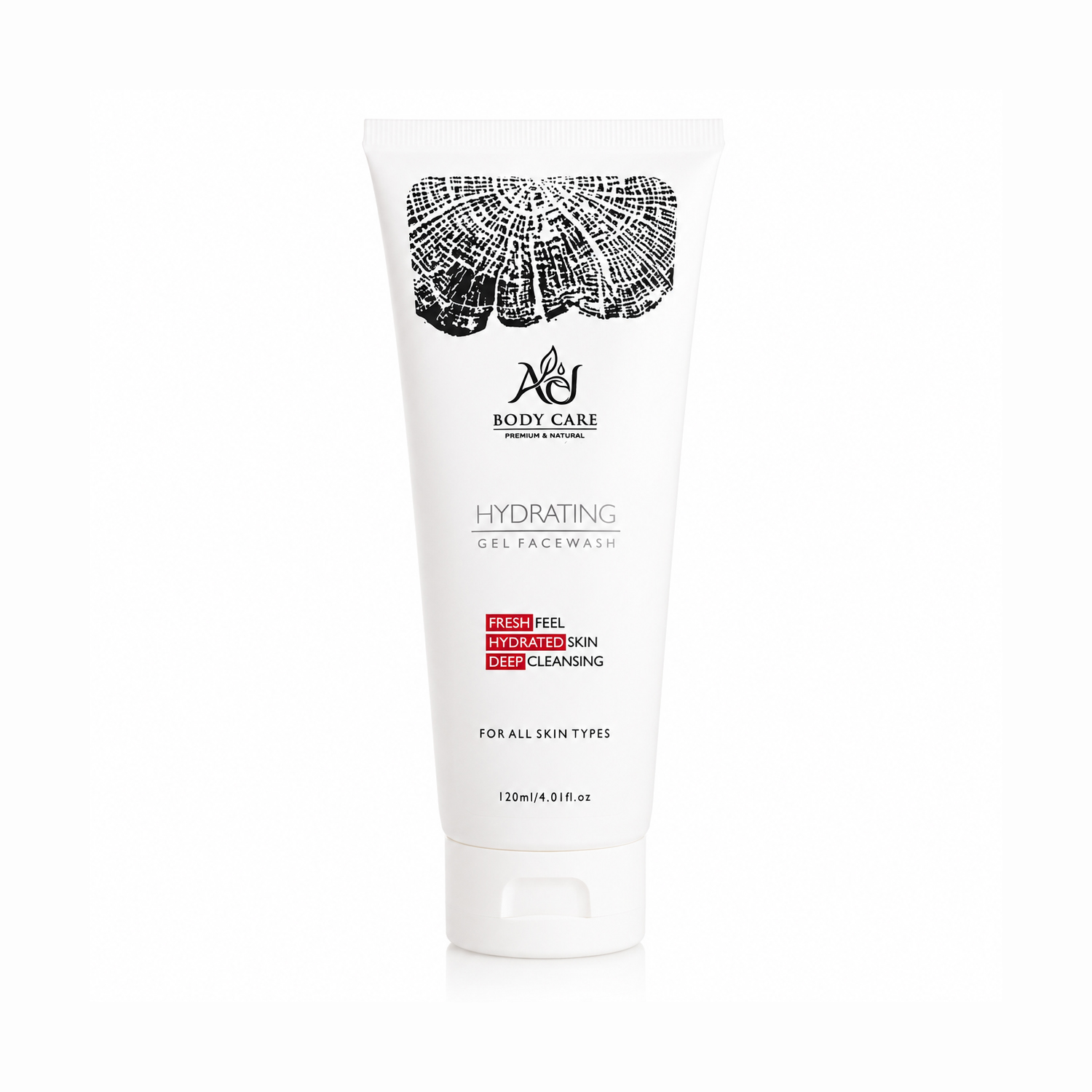
To wash your face correctly without stripping your skin barrier, cleanse twice daily—once in the morning and once at night—using lukewarm water and a gentle, sulphate-free gel cleanser. Massage the cleanser in soft, circular motions for 60 seconds to break down excess sebum, urban pollution, and daily impurities. Rinse thoroughly with lukewarm water and pat dry with a soft microfiber towel, leaving skin slightly damp before applying active serums like Niacinamide or Vitamin C to maximize absorption.
Article Overview
- Category: Skincare Routines & How-Tos
- Author: Formulated & Reviewed by AU Body Care Research Team
- Estimated Read Time: 4 minutes
Why Proper Cleansing is the Foundation of Healthy Skin
Cleansing is the most critical first step of any effective skincare routine. Throughout the day, the skin collects environmental pollutants, bacteria, dead skin cells, and excess sebum. If not removed properly, this build-up clogs pores, leads to breakouts, and forms a physical barrier that prevents high-performance actives (such as Vitamin C and Niacinamide) from penetrating the skin.
However, over-cleansing or using harsh alkaline soaps disrupts your skin’s natural pH (which sits around 5.5), compromising your moisture barrier and causing redness, tightness, and premature oil overproduction.
Step-by-Step: The 60-Second Method
1. Wash Your Hands First
Never touch a fresh face with dirty hands. Bacteria transfers instantly from your hands to your facial pores. Wash thoroughly with soap and water before beginning your routine.
2. Wet Face with Lukewarm Water
Avoid hot water, which strips skin lipids and causes vascular dilation (redness). Cold water fails to break down oil effectively. Lukewarm water is ideal for opening pores slightly without inducing thermal shock.
3. Dispense a Gel-Based Cleanser
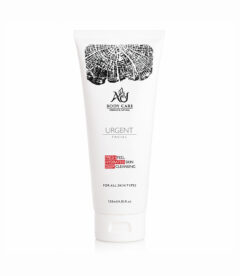
Pump a coin-sized amount of a balanced gel cleanser into wet palms. Lather the gel in your hands first until it forms a soft, hydrating foam.
4. Massage for 60 Seconds
Work the cleanser across your forehead, T-zone, cheeks, jawline, and neck using light, upward circular movements. Focus on areas prone to congestion, such as the sides of the nose and chin. Counting to 60 allows the hydrating agents and gentle surfactants enough time to dissolve dirt and sebum breakdown.
5. Rinse & Gently Pat Dry
Rinse thoroughly with lukewarm water until no residue remains. Never rub your skin with a rough towel. Gently pat dry with a fresh, clean face towel, leaving a faint film of moisture on the skin.
Matching Your Cleanser to Your Active Serums
| Skin Goal | Best Cleansing Partner | Follow-Up Active Serum |
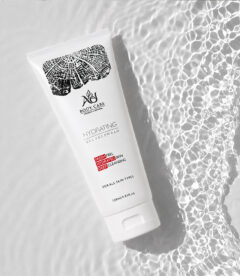
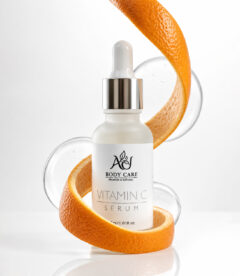
| Brightening & Dark Spots | Hydrating Gel Facewash | AU Body Care Vitamin C Glow Serum |
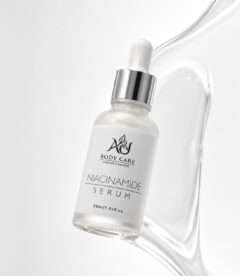
| Pore Control & Oil Balance | Gentle Foaming Cleanser | AU Body Care Niacinamide Serum |
| Deep Hydration & Barrier Repair | Milky / Cream Cleanser | Hyaluronic Acid / Barrier Repair Cream |
Frequently Asked Questions
Is double cleansing necessary every day?
Double cleansing (using an oil/balm cleanser followed by a gel cleanser) is only necessary if you are wearing heavy waterproof makeup or thick physical sunscreen. For a standard morning or evening routine, a single thorough 60-second wash with a hydrating gel cleanser is sufficient.
Should I wash my face with cleanser twice a day?
Yes. Nighttime cleansing removes the day’s dirt and pollution, while morning cleansing removes overnight sweat, dead skin cells, and residual night cream. If you have extremely dry or sensitive skin, rinsing with plain lukewarm water in the morning is acceptable.
Why does my skin feel tight after washing?
A tight, “squeaky clean” sensation indicates that your cleanser has stripped your skin of its essential natural oils and damaged your acid mantle. Switch to a sulphate-free, low-pH hydrating cleanser immediately to restore balance.